The first time I saw the Burj Khalifa, it was from the window of my taxi, a shimmering needle piercing the Dubai sky. It was impressive, but also intimidating. As a solo female traveler, I often weigh the allure of a major tourist attraction against the potential hassles of crowds, queues, and that subtle, uncomfortable feeling of being just another face in a packed throng. I’d heard the stories about the long waits and the bustling observation decks. So, I made a decision that transformed my entire experience: I booked a sunrise visit.
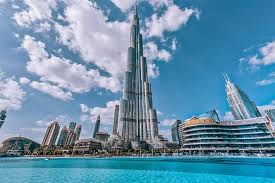
There is a unique, almost sacred quiet that descends upon a city just before dawn. Arriving at the Dubai Mall before it officially opened felt like being let in on a secret. The process was seamless; without the infamous crowds, I whisked through security and the ticket check with an ease that every solo traveler dreams of. The staff were calm and attentive, not yet worn down by the day’s demands. This sense of tranquility is one of the key reasons I believe the best time to visit Burj Khalifa is before the sun comes up, especially when you’re on your own.
Stepping into the elevator, I was surrounded by just a handful of other quiet, sleep-softened people. The ascent was a silent, swift journey into the sky. And then, the doors opened onto the 124th floor, and I literally caught my breath. The world below was not the glittering jewelbox you see in postcards, but something far more magical. Dubai was still asleep, draped in a blanket of deep indigo and soft, twinkling lights that stretched to the horizon where a faint, orange glow was just beginning to bloom.
This was the moment I truly understood the privilege of solitude. As a woman traveling alone, moments of pure, uninterrupted awe are precious. There was no jostling for a spot at the window, no need to nervously keep track of my bag in a crowd, no overwhelming noise. It was just me and the awakening world. I could move freely from window to window, sitting for long periods simply watching the city slowly come to life. The famous fountain show was still, the streets were quiet ribbons of light, and the distant desert was a mysterious, dark expanse. This peaceful observation allowed for a depth of connection to the place that feels impossible during peak hours.
The sunrise itself was a performance staged just for us few privileged attendees. The sky shifted through a spectrum of pastels—lavender, rose gold, a soft tangerine—until the sun finally crested the edge of the desert, casting its first golden rays on the towers below. The light began to crawl down the side of the Burj Khalifa itself, a wave of illumination highlighting its incredible architecture. I took countless photos, all without a single stranger’s head in the frame, a solo traveler’s dream come true.
There’s also a profound sense of safety and comfort in this morning ritual. The small group atmosphere felt manageable and secure. I never felt conspicuous or out of place, which can sometimes happen when dining alone in a busy restaurant or navigating a packed metro. Here, everyone was united in a shared, quiet wonder. It felt like a personal victory, a testament to the unique joys of independent travel.
After the sun had fully risen and the interior lights of the skyscraper dimmed, revealing the stunning glass and steel details of the observation deck itself, I felt a deep sense of contentment. I lingered long after most of the initial group had left, watching as the city finally stirred. By the time I descended, the mall was beginning to fill, but I was already leaving, carrying the serenity of the dawn with me.
My sunrise visit to the Burj Khalifa was more than just ticking a box on a tourist itinerary. It was a lesson in seeking out moments of quiet grandeur. It taught me that the most famous landmarks can offer intimate experiences if you’re willing to approach them at a different time. For any woman contemplating a journey on her own, I cannot recommend this experience enough. It’s a powerful, peaceful, and incredibly personal way to meet one of the world’s modern wonders, setting a tone of calm and confidence for the rest of your adventures.